

Shockwave Therapy vs. Orthotics for Plantar Fasciitis
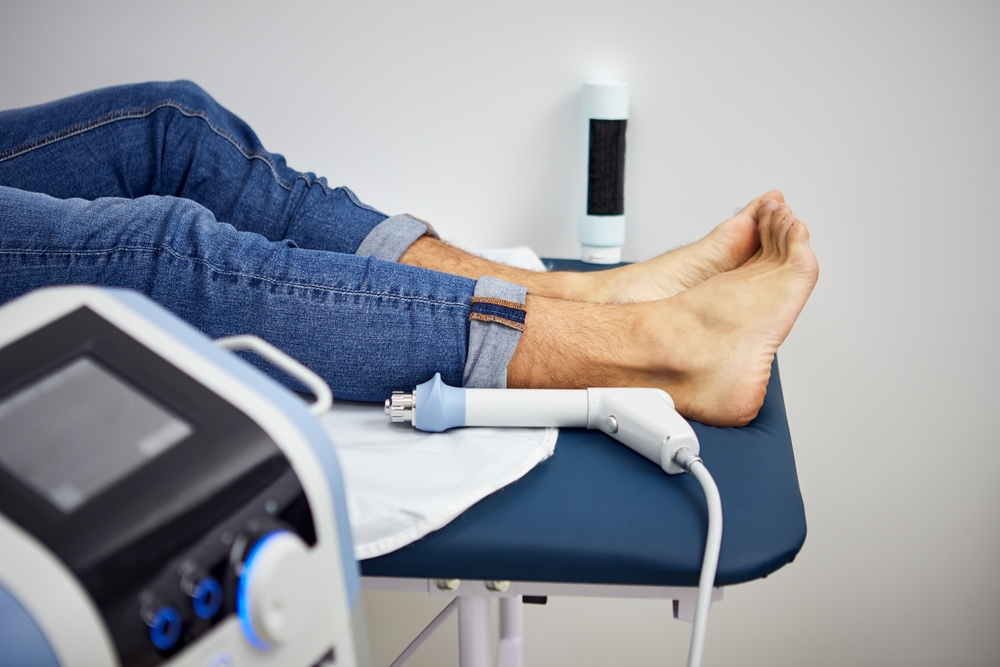
Plantar fasciitis is one of the most common causes of heel pain, affecting runners, active individuals, and those who spend long hours on their feet. The sharp, stabbing pain can interfere with work, exercise, and everyday life. If you’ve been diagnosed with plantar fasciitis, you may have heard about orthotics or shockwave therapy as treatment options. While both can play a role in recovery, they work very differently. Understanding these differences can help you make an informed decision about the best approach for long-term relief.
Understanding Plantar Fasciitis
The plantar fascia is a thick band of tissue that runs along the bottom of your foot, connecting your heel to your toes. Repetitive strain, improper footwear, poor biomechanics, or overuse can cause small tears and inflammation in this tissue.
Common symptoms include:
Heel pain that’s worse in the morning
Pain after long periods of standing
Discomfort after exercise (not usually during)
Tenderness along the bottom of the foot
Without proper treatment, plantar fasciitis can become chronic and increasingly difficult to resolve.
What Are Orthotics?
Orthotics are custom or over-the-counter shoe inserts designed to support the arch, improve foot alignment, and reduce strain on the plantar fascia.
Benefits of Orthotics
Provide structural support
Improve foot mechanics
Reduce strain during walking and standing
Help prevent worsening of symptoms
Orthotics can be especially helpful for individuals with flat feet, high arches, or abnormal gait patterns. They work by redistributing pressure and reducing stress on the irritated tissue. While orthotics can reduce strain, they do not directly stimulate healing of damaged tissue. In many cases, they manage symptoms rather than addressing the root cause of chronic inflammation.
What Is Shockwave Therapy?
Shockwave therapy - also known as Extracorporeal Shockwave Therapy (ESWT) - is a non-invasive treatment that uses acoustic waves to stimulate healing in damaged soft tissue. Rather than simply supporting the foot, shockwave therapy works at a cellular level to promote repair and regeneration.
How Shockwave Therapy Works
Increases blood flow to the affected area
Stimulates collagen production
Breaks down scar tissue
Accelerates the body’s natural healing response
This makes it particularly effective for chronic plantar fasciitis that hasn’t responded to stretching, rest, or orthotics alone.
Why Shockwave Therapy Stands Out
At Campion Chiropractic Clinic, we’ve seen excellent results with shockwave therapy for patients struggling with persistent heel pain.
Addresses the Root Cause: Shockwave therapy stimulates actual tissue repair rather than just reducing mechanical stress.
Non-Invasive: No injections. No surgery. No downtime. Patients can return to most normal activities immediately.
Effective for Chronic Cases: For patients who have been dealing with plantar fasciitis for months - or even years - shockwave therapy often provides relief when other treatments have failed.
Faster Recovery: By jumpstarting the healing process, many patients experience noticeable improvement within just a few sessions.
Long-Term Results: Because it promotes true tissue healing, the benefits are often more lasting compared to supportive measures alone.
Comprehensive Care at Campion Chiropractic Clinic
At Campion Chiropractic Clinic, we take a comprehensive approach to plantar fasciitis. We assess your gait, posture, foot structure, and lifestyle factors to create a customized treatment plan.
Shockwave therapy is often integrated with:
Chiropractic adjustments
Soft tissue therapy
Corrective exercises
Footwear recommendations
Biomechanical assessments
Our goal is not just to reduce pain - but to restore function and prevent recurrence.
Find Lasting Relief from Plantar Fasciitis Today
Orthotics can provide valuable support and symptom relief for plantar fasciitis, especially when foot mechanics are contributing to the problem. However, if you’re dealing with persistent heel pain that hasn’t improved, shockwave therapy offers a powerful, non-invasive solution that stimulates real healing.
If heel pain is limiting your daily activities, schedule a consultation at Campion Chiropractic Clinic to find out if shockwave therapy is right for you. Visit our office in College Station, Texas, or call (979) 464-4400 to schedule a consultation today.

MAP
© 2026 Campion Chiropractic Clinic. All Rights Reserved. Accessibility Statement - Privacy Policy - Sitemap
Powered by: 