

Chronic Plantar Fasciitis in College Station Runners and Walkers: How Shockwave Therapy Accelerates Healing
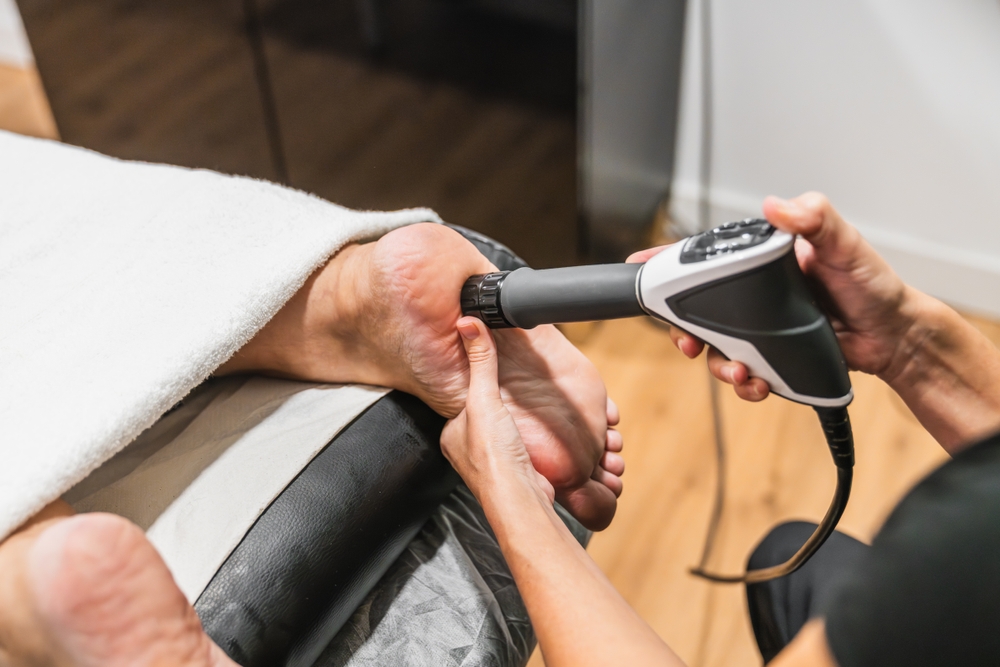
Plantar fasciitis can turn a morning run, neighborhood walk, or long day on your feet into a painful experience. For active adults in College Station, recurring heel pain can be especially frustrating when rest, stretching, or supportive shoes only provide temporary relief. When plantar fasciitis becomes chronic, the plantar fascia may need more than symptom management. Shockwave therapy offers a non-invasive way to stimulate the body's healing response and support recovery in stubborn soft tissue injuries.
Why Plantar Fasciitis Can Become Chronic
The plantar fascia is a thick band of connective tissue that supports the arch of the foot. Running, walking, standing for extended periods, or suddenly increasing activity can repeatedly stress this tissue. Tight calf muscles, limited ankle mobility, poor foot mechanics, and returning to exercise too quickly can also contribute to recurring symptoms.
Common signs of plantar fasciitis include:
- Sharp or aching heel pain when taking your first steps in the morning
- Pain after sitting or resting for an extended period
- Heel discomfort after running, walking, or exercising
- Tenderness along the heel or bottom of the foot
- Pain that improves temporarily but returns as activity increases
When these symptoms continue for weeks or months, the tissue may not be recovering fully between periods of stress.
How Shockwave Therapy Supports Healing
Shockwave therapy, also called Extracorporeal Shockwave Therapy or ESWT, uses targeted acoustic waves over the affected tissue. The treatment is designed to stimulate circulation and the body's natural tissue-repair processes rather than simply masking discomfort.
For chronic plantar fasciitis, this approach may help encourage recovery in tissue that has been slow to heal. It is non-invasive and does not require incisions or injections. Because there is typically minimal downtime, it can be particularly appealing to runners, walkers, and other active College Station patients who want to maintain their normal routines while addressing persistent heel pain.
Looking Beyond the Painful Heel
Persistent plantar fasciitis is not always caused by the heel alone. Restricted ankle movement, tight calves, gait changes, foot structure, and other biomechanical factors can continually place stress on the plantar fascia. Addressing these contributing factors is an important part of reducing repeated flare-ups.
At our College Station office, we evaluate the bigger picture before recommending care. Depending on your needs, shockwave therapy may be incorporated alongside corrective exercises, soft tissue treatment, footwear recommendations, biomechanical assessment, or custom orthotics to improve function and reduce unnecessary strain on the foot.
When to Consider Shockwave Therapy
If heel pain continues despite rest, stretching, activity changes, or other conservative measures, it may be time for a more thorough evaluation. Chronic plantar fasciitis can interfere with training, daily walks, work, and other activities, but persistent pain does not necessarily mean you have to stop being active indefinitely.
To find out whether shockwave therapy can help your chronic plantar fasciitis, schedule a consultation with Campion Chiropractic Clinic in College Station, TX by calling (979) 464-4400.

MAP
© 2026 Campion Chiropractic Clinic. All Rights Reserved. Accessibility Statement - Privacy Policy - Sitemap
Powered by: 